The vast majority of African countries are members of the World Trade Organization (WTO). Only Algeria, Libya, Sudan, South Sudan, Ethiopia, Eritrea, Somalia, Comoros
Foreign trade
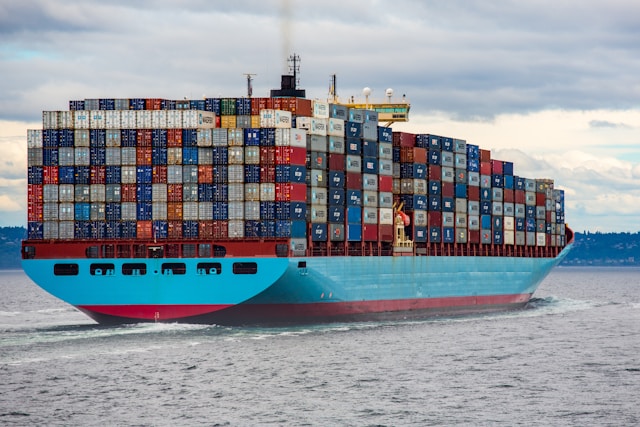
South Africa is one of the world's top 25 exporters. Foreign trade revenues reach 50% of GDP, with exports exceeding imports. South Africa's main exports are gold, diamonds, platinum, various minerals, machinery and equipment, food and beverages - wine (more than 30%), canned fruit, tobacco, and sugar.

Membership & Affiliations










Latest Posts

The South African Renewable Energy Sector: Harnessing Sustainable Resources for Economic Growth
Introduction to the South African Renewable Energy Sector The South African renewable energy sector has seen unprecedented growth in recent […]

Online earning opportunities in Africa. Robots in Africa
Africa is the largest of the continents of the Earth, inhabited by 1 billion 200 million people. There are 57 […]

Trading in Africa: Why positive stories are worth appreciating
You may remember the story of these two shoe salesmen who went to Africa in the early XNUMXth century to find new markets

Capital imports and foreign debt
A chronic problem in West Africa is the low savings rate, and hence the lack of financial resources for investment.

West Africa: Economic Review
West Africa is one of the four subregions of sub-Saharan Africa, which, however, holds a special place both in history and in the economy of the Black Continent.
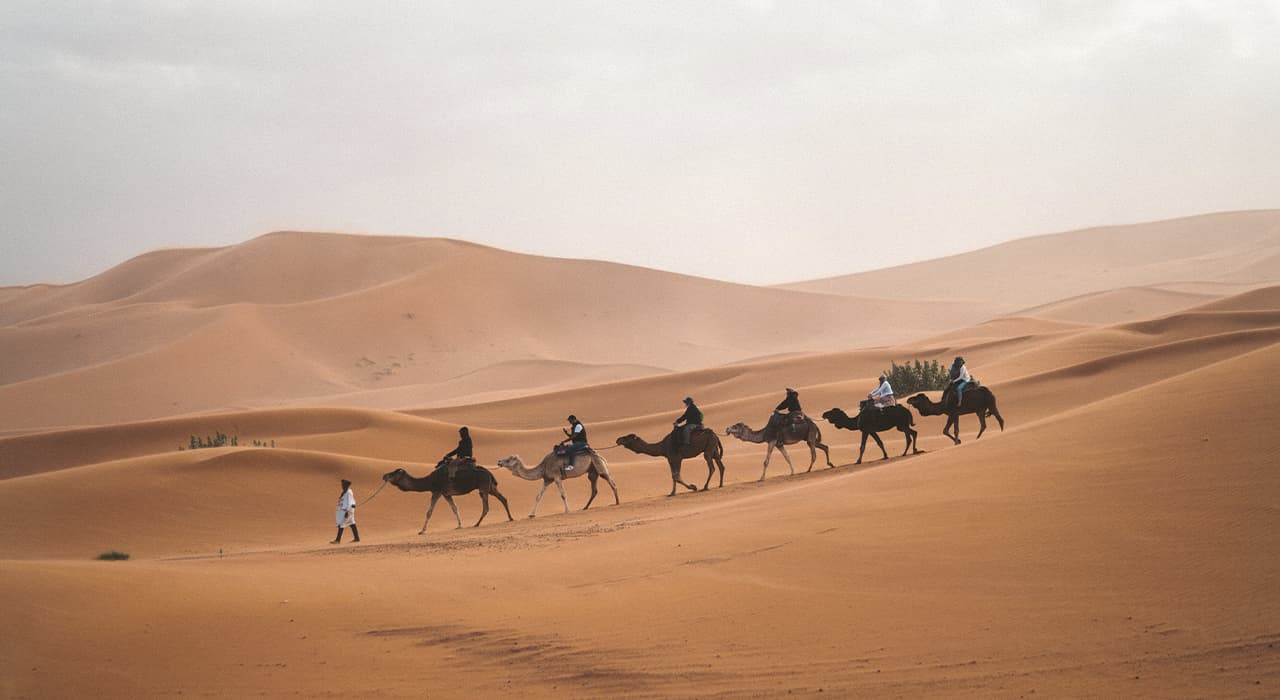
Traditional trade routes, objects of trade
A huge role in the history of Africa was played by long-distance caravan trade, which developed by the end of the first millennium A.D.